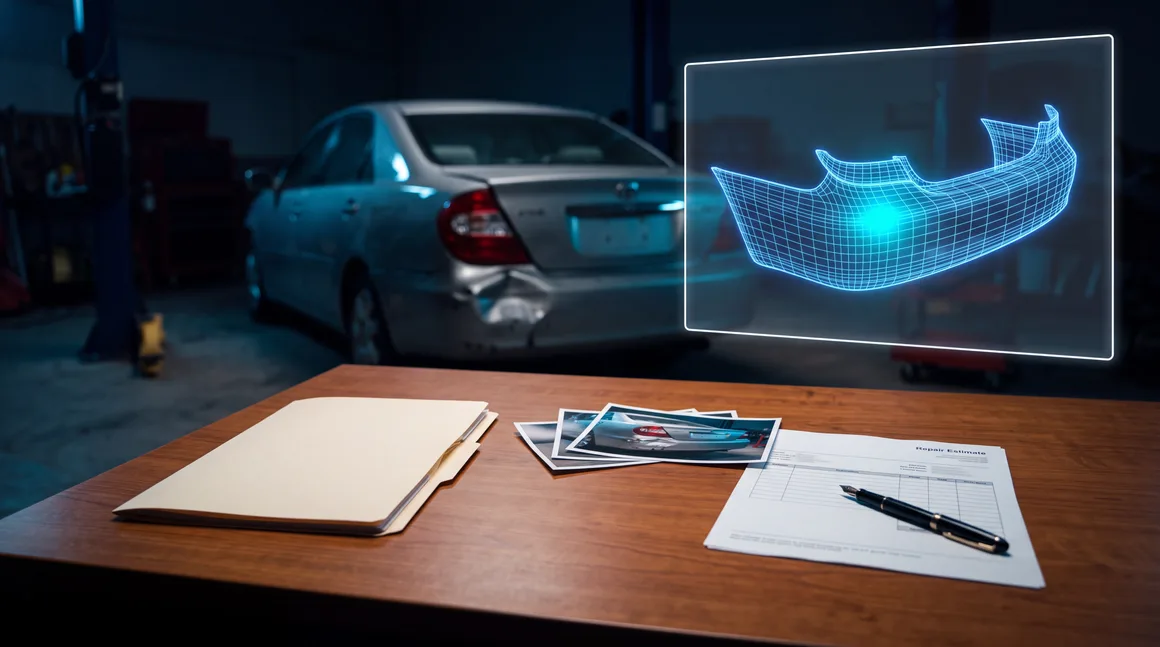
The Evidence Is Already in the File
That distinction is sitting in the crash evidence on day one. Silent Witness finds it at FNOL, not after the file gets expensive enough to finally justify an expert.
Two minor rear-end crashes, similar damage, the same cervical complaint on the intake form. One is a clean early resolution. The other needs an active defense, and nothing at FNOL tells you which.
A file walks in Monday. From that moment, every decision is money: sign it, fund it, preserve it, push it, walk away.
A file walks in Monday. From that moment, every decision is money: sign it, fund it, preserve it, push it, walk away.
A bumper photo. A modest estimate. Neck pain. Nothing on page one tells the adjuster which file becomes serious and which one doesn’t.
That distinction is sitting in the crash evidence on day one. Silent Witness finds it at FNOL, not after the file gets expensive enough to finally justify an expert.
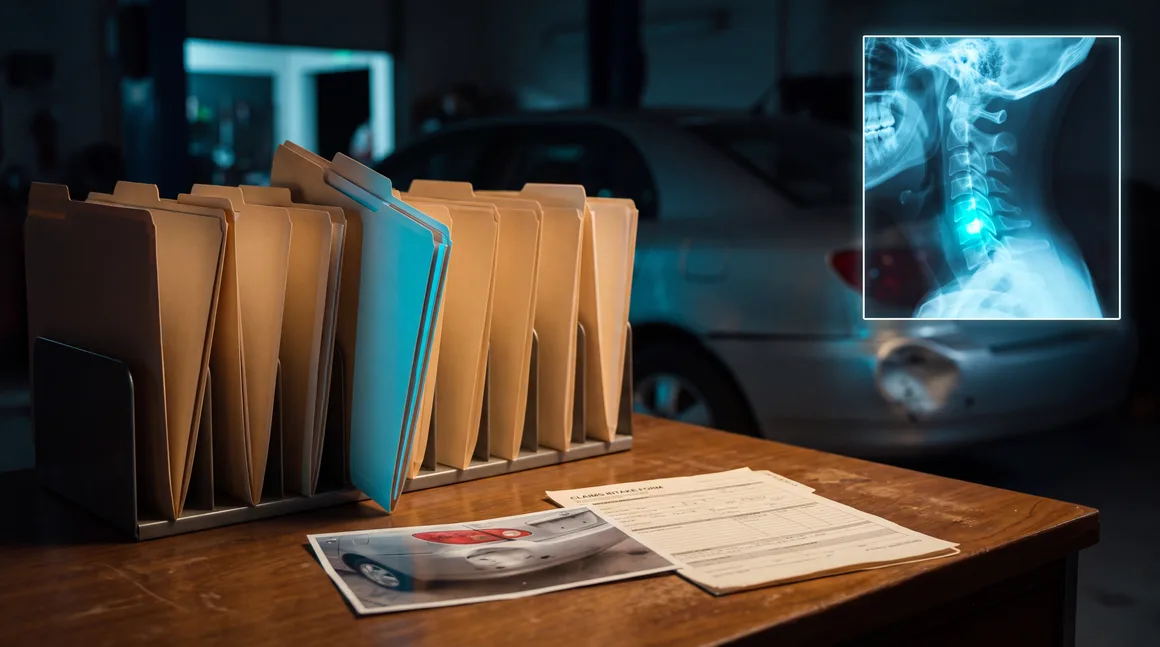
Some of the worst claims in your book looked routine on day one. The evidence that separated them was already there. Nobody had reconstructed it.
Adjusters don’t open another login. The reconstruction and causation analysis lands inside the claim they’re already working, at FNOL volume.
POST /v1/claims/reconstruct
"claim_id": "BI-2026-07-0142"
"loss_type": "rear_end"
"inputs": ["photos", "estimate", "police_report"]

200 · analysis complete
"delta_v_mph": 7.2
"causation_match": "consistent"
"recommended_reserve": 8500
"recommended_track": "early_resolution"Different claims stop getting the same treatment.
Exposure becomes visible before litigation spend compounds.
The same methodology runs across the book, not just on claims large enough to justify an expert.
Pick two claims that look alike. Give us the evidence. We will show you whether the physics say they belong in the same bucket.
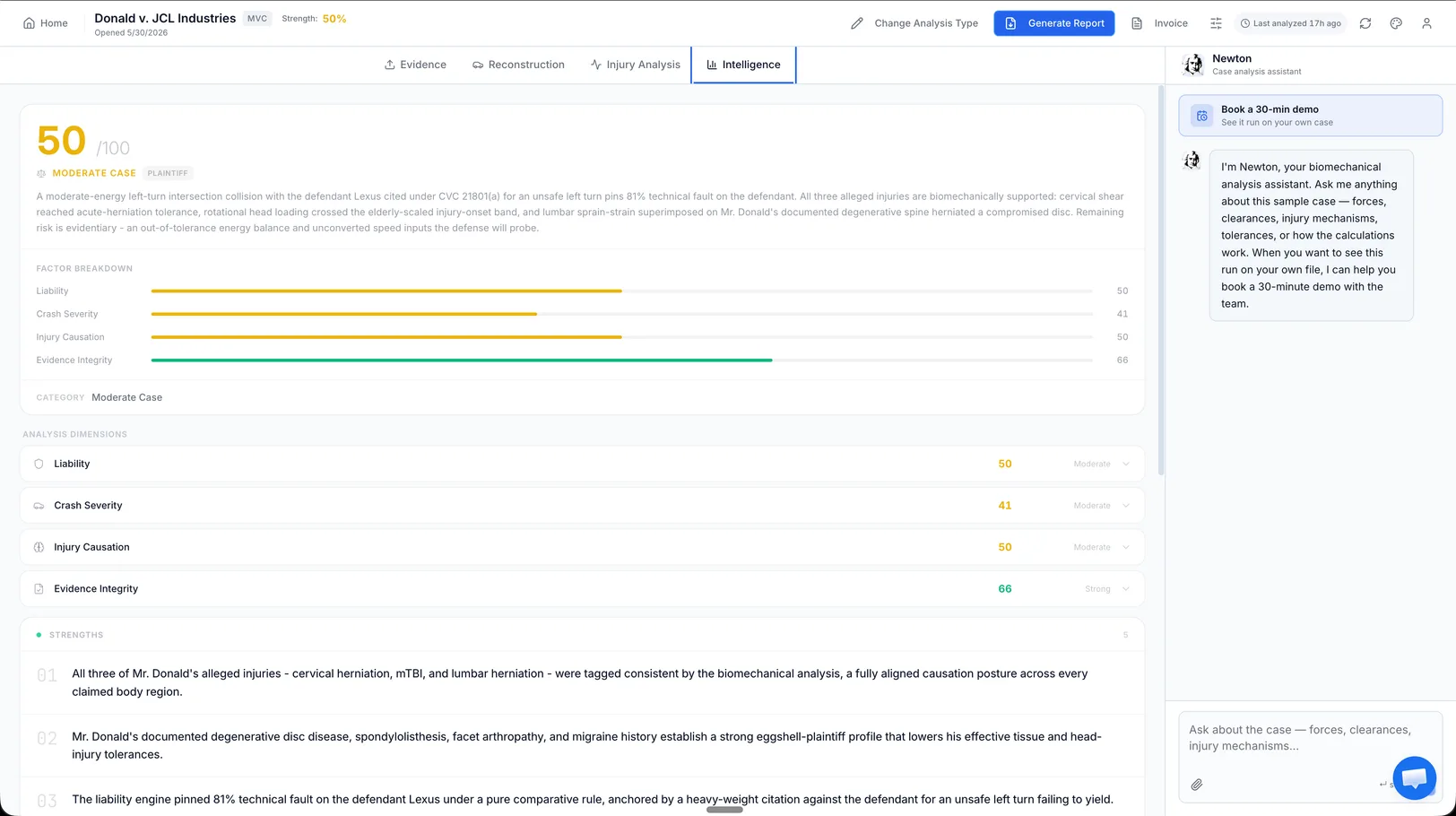
A moderate-energy left-turn intersection collision with the defendant Lexus cited under CVC 21801(a) for an unsafe left turn pins 81% technical fault on the defendant.